
Trans-Gender Psychoanalysis
In 2021, I taught a postgraduate seminar called “Trans-Gender Psychoanalysis” as part of the curriculum of the Adult Psychoanalytic Training Program and Fellowship in Hospital-Based
In 2021, I taught a postgraduate seminar called “Trans-Gender Psychoanalysis” as part of the curriculum of the Adult Psychoanalytic Training Program and Fellowship in Hospital-Based

Psychoanalysis has somewhat neglected the study of substance use disorders—frequently seeing them as a symptom of “the real problem” and hence not attending closely to
… Read More »Contemporary Psychoanalytic Perspectives on Addiction

Many authors quote Freud as saying “If I had my life to live over again I should devote myself to psychical research rather than to
… Read More »Did Freud really wish he had studied the occult instead of psychoanalysis?

Conventional wisdom holds that avoiding your emotions cuts you off from important data about yourself, but did you know that habitually flinching from feeling can
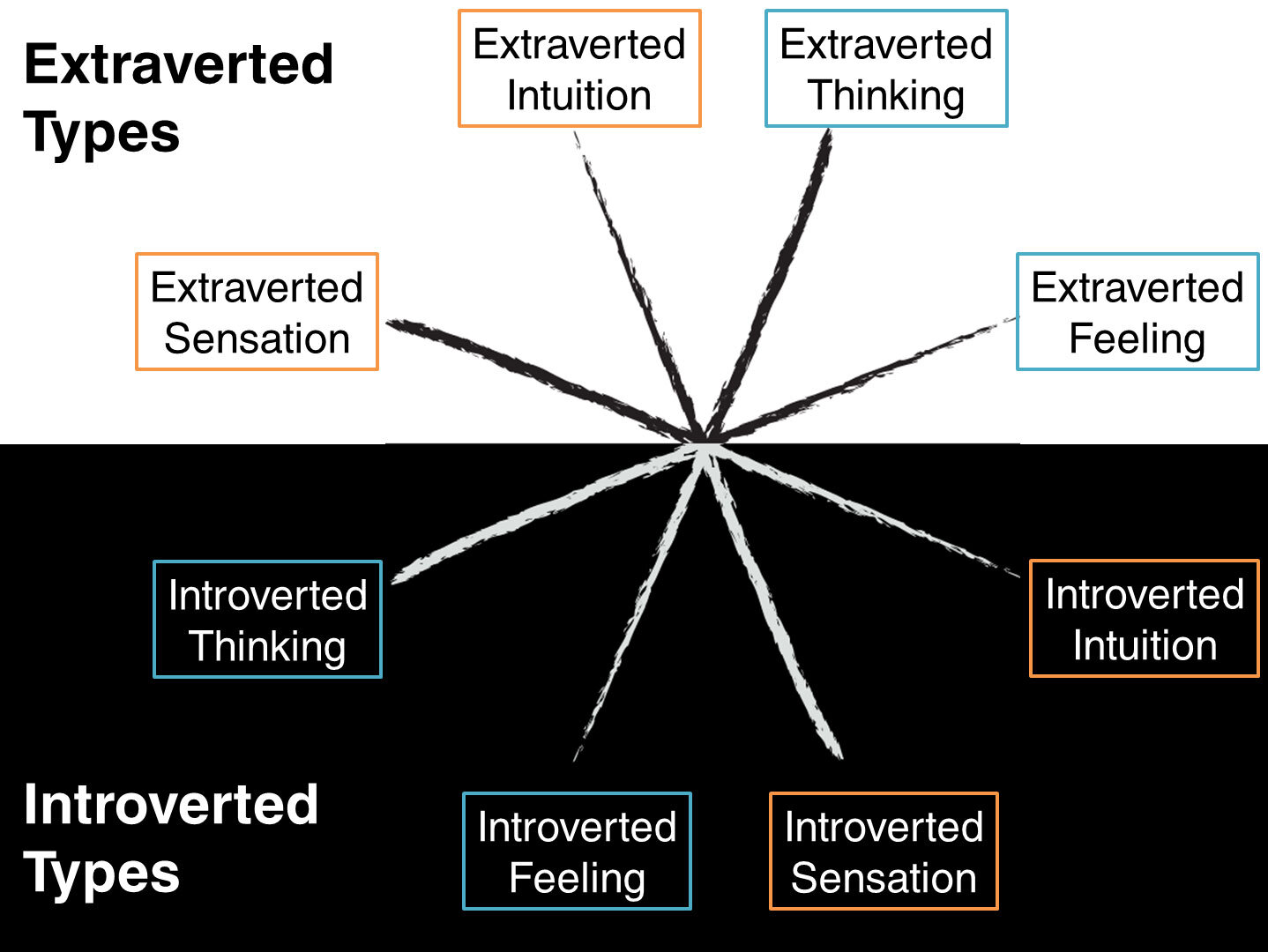
In this post, I outline and use Jung’s basic principles to: (1) define Jung’s four function types of sensation, intuition, thinking, and feeling; (2) elaborate
… Read More »Jung’s Function Types: 16 Ways of Being in the World

To be able to work with dreams, whether psychologically or magically, requires building a relationship with them. Many people are alienated from their dream life.
… Read More »Eight Recommendations for Cultivating Dream Life
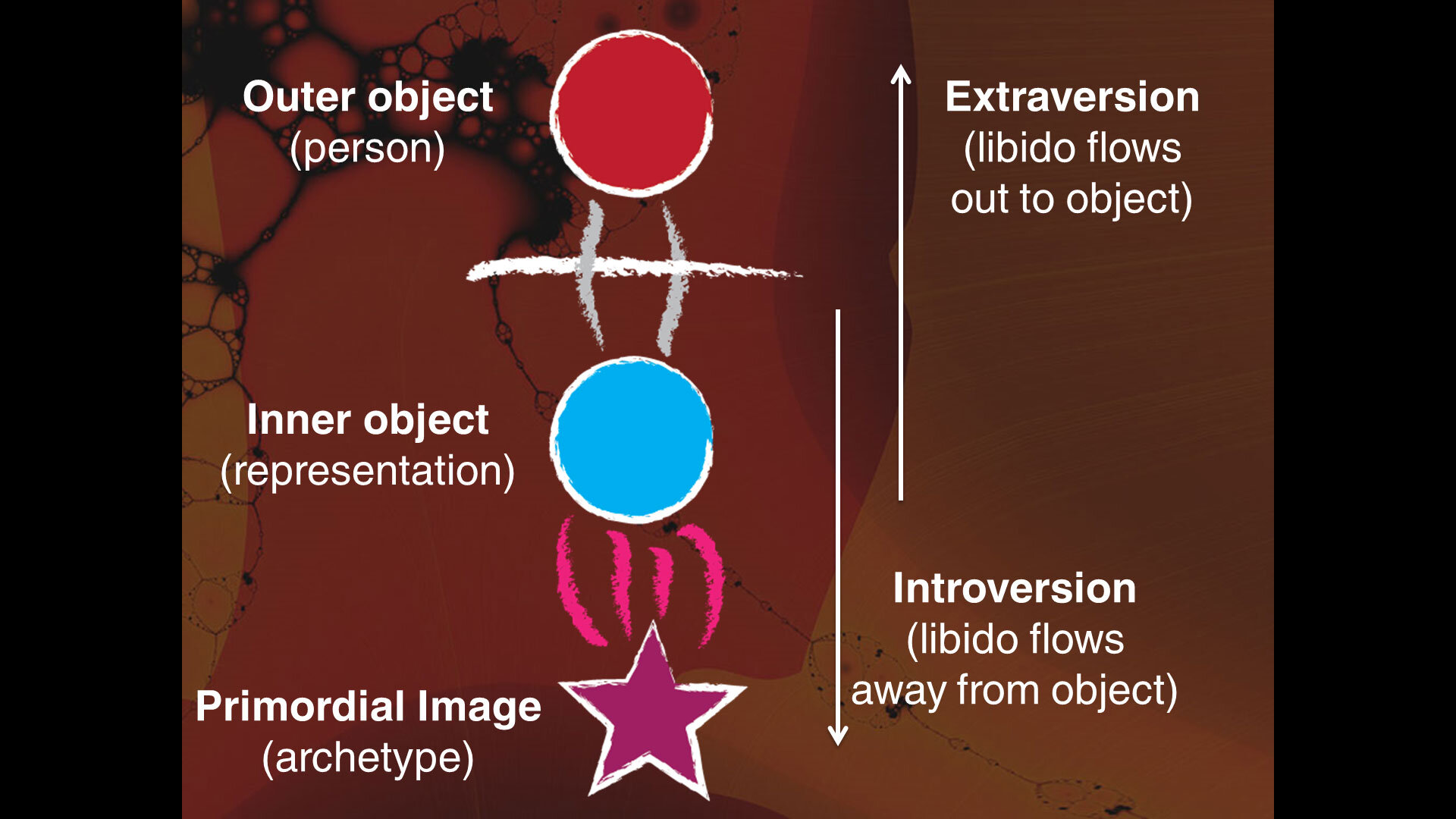
Extraversion and introversion are well-known concepts, but their originator, Carl Jung, used them very differently than we do. Jung focused not on how outgoing or
… Read More »Jung’s Notions of Extraversion and Introversion

Psychoanalysis emerged during a high tide of interest among scientists and laypeople alike in psychical research and spiritualism. Freud and subsequent psychoanalysts held conflicting, ambivalent
… Read More »Psychoanalysis, Magic, & the Occult: An Uneasy Shared History

A recent New York Times article claimed that “most psychologists agree that astrology’s appeal rests largely on ‘confirmation bias’—the human tendency to seek out, recall